Spanish
  English
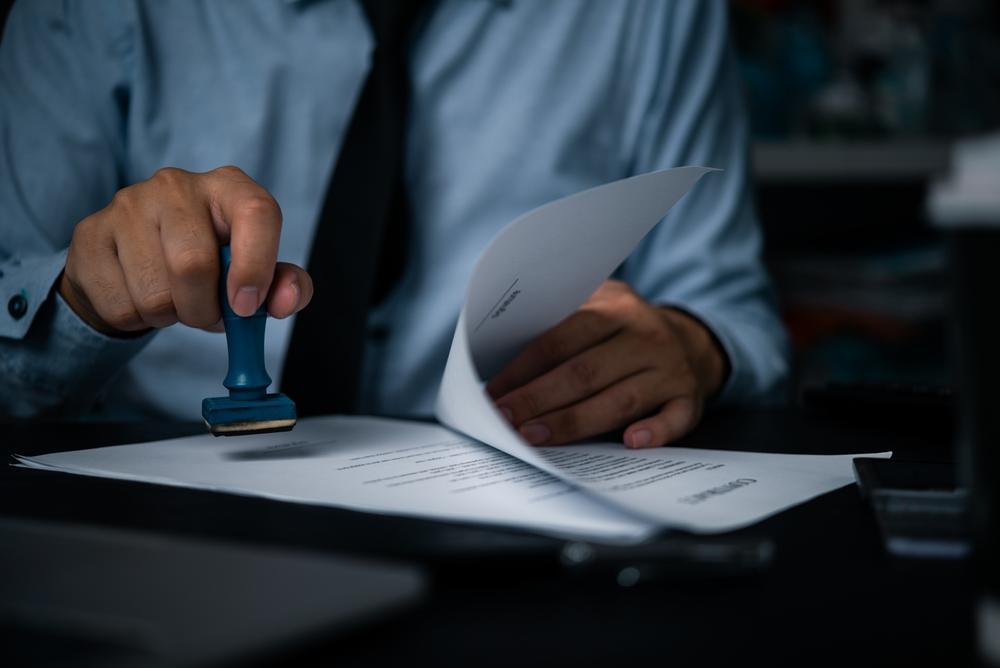
No, a will doesn’t need to be notarized in Florida. However, getting it notarized can make the probate process much easier by avoiding the need for witness testimony. When your will is complete and notarized, you remove legal doubt and make your intentions clear.
You must follow specific steps when drafting a will, such as creating it in writing and making sure it is witnessed and signed correctly. It’s smart to consult with an elder law attorney who understands the legal aspects of wills and probate in the state of Florida.
Our wills and trusts lawyers in Boca Raton are here to help you manage the complicated questions that come with getting older. Call today for your free consultation and talk about your will.
What Makes a Will Valid In Florida?
While you don’t necessarily need to get your will notarized, there are specific requirements you must meet to make it legally effective. In Florida, a valid will must meet the following criteria:
- Your will must be in writing, meaning either handwritten or typed. Oral wills are not acceptable.
- It must be signed by you or by someone else at your direction and in your presence.
- Additionally, it must be signed by two witnesses, who both must sign in your presence and the presence of each other.
- You must be over the age of 18 and of a legally sound mind.
For a free legal consultation, call 561-955-8515
What Are the Benefits of Getting a Will Notarized?
When you get your will notarized, it can simplify probate after you pass away. A notarized will allows the court to accept it without witness testimony. This makes the process less expensive and avoids delays, added court appearances, and extra probate costs.
What Is a Self-Proving Will vs. a Traditional Will?
Self-proving and traditional will are terms you might hear when considering how to approach your will document. Simply put:
- A traditional will is a written, paper-based legal document that explains how your assets should be distributed after death.
- A self–proving will is just another way of describing a will that includes a notarized affidavit signed by you (the testator) and witnesses. This allows the will go through probate without requiring witnesses to testify.
Click to contact our estate planning lawyers today
Do You Need a Lawyer to Create a Will In Florida?
You do not legally need a lawyer to create a will in Florida, but it’s a good idea to consult with an attorney when drafting such important legal documents. Wills for very simple estates sometimes don’t require the attention of an attorney, as long as Florida’s legal requirements are followed exactly.
However, you should strongly consider getting help from an attorney in cases where:
- You have significant assets.
- You own a business.
- You want to create trusts or plan for taxes.
- You have a blended family or an otherwise complicated family situation.
- You want to ensure the will is not easily challenged.
Complete a Free Case Evaluation form now
What Happens If You Don’t Have a Will?
If you die without a will in Florida, your estate is distributed according to Florida’s intestacy laws, not your personal wishes. Typically, assets go to your closest legal relatives, such as your spouse, children, or parents.
Without a will, the court will appoint a personal representative who may or may not be someone you should have chosen yourself. In general, the process can take longer, and your wishes may not be followed in the end.
Does Florida Allow Electronic Wills?
Yes. Florida allows electronic wills under the Florida Electronic Wills Act. An electronic will is created, signed, and witnessed digitally, using electronic signatures and online notarization. It must meet strict statutory requirements to be valid and enforceable.
Does a Will Need to Be Recorded In Florida?
No, your will does need to be recorded or filed with the court while you are still alive. After you pass away, your original will must be filed with the clerk of the court in the county where you lived. This filing starts the probate process.
Get Help With Your Will in Florida
Your will does not need to be notarized in Florida, but there are clear benefits from doing so. It solidifies your document, improves its legal standing, and makes the probate process faster and easier. The time and effort it takes to have a will notarized is well worth it to many people.
Regardless of whether you choose to get your will notarized, you can’t ignore important steps when it comes to the signature and witnesses. A good way to make sure you are on the right track is to talk to a Florida elder law attorney.
The Siegel Law Group, P.A., has more than 100 years of combined experience. We are committed to serving Florida families and are here to help you protect what matters.
We can assist you with drafting a will and other aspects of estate planning, such as trusts, Medicaid planning, and probate administration. Call now for your free consultation to learn more.
Call or text 561-955-8515 or complete a Free Case Evaluation form